Tips for Creating a Relaxing Home Office Environment

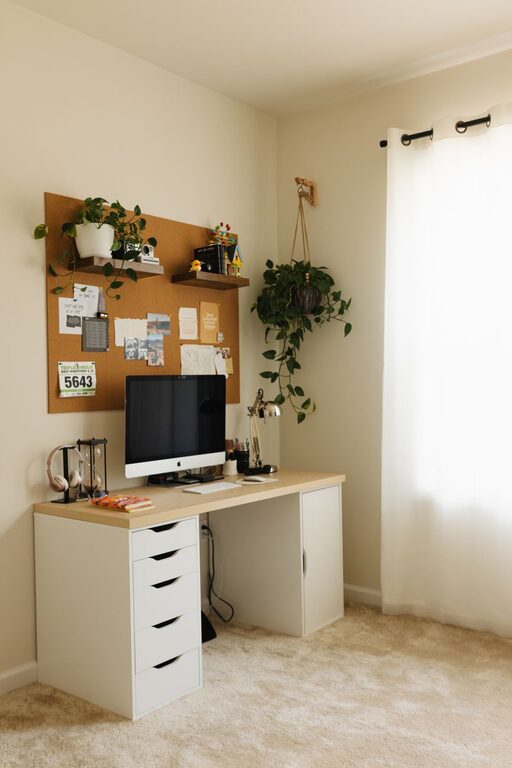
Creating a relaxing home office environment is essential for maintaining focus and well-being throughout your workday. Whether you’re working remotely full-time or need a dedicated space for occasional tasks, a calm and comfortable workspace can help reduce stress and increase productivity. In this post, we’ll explore practical tips to turn your home office into a peaceful haven that inspires creativity and keeps distractions at bay.
Choose the Right Location
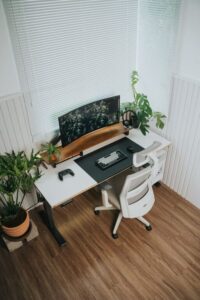
Selecting the best spot for your home office lays the foundation for a relaxing workspace. Ideally, pick a space that:
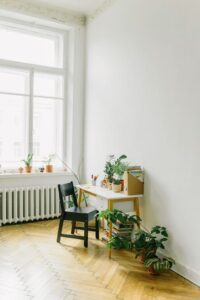
– Has plenty of natural light to boost mood and energy
– Is away from high-traffic or noisy areas in the home
– Offers enough room for your equipment and movement
If space is limited, consider using a corner of a quiet room or setting up a compact desk with shelves to maximize functionality. Avoid working in bed or on the couch, as those spaces can blur the lines between work and rest.
Invest in Comfortable and Ergonomic Furniture
Working comfortably is key to staying relaxed and avoiding tension or fatigue during long hours. When selecting furniture, consider:
– An ergonomic office chair that supports your back and encourages good posture
– A desk at the right height to keep your wrists and arms aligned
– Adjustable furniture options to switch between sitting and standing
Adding a soft cushion or footrest can enhance comfort. Don’t forget to arrange your monitor at eye level to prevent neck strain.
Optimize Lighting for Calm and Focus
Lighting plays a crucial role in creating a soothing work environment. Natural light is best, so position your desk near windows if possible. When natural light is limited:
– Use warm white LED bulbs to reduce eye strain and provide a cozy glow
– Add a desk lamp with adjustable brightness for focused tasks
– Consider light diffusers or curtains to soften harsh sunlight
Avoid overly bright or flickering lights, which can cause headaches or fatigue.
Keep Your Workspace Organized
Clutter can contribute to stress and distract from your work. To maintain an organized home office:
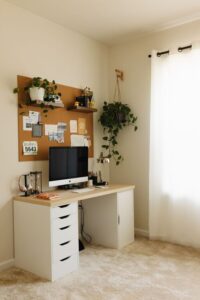
– Use storage solutions such as shelves, drawers, or boxes to keep supplies tidy
– Keep only essential items on your desk to minimize distractions
– Implement a filing system for papers and digital folders for easy access
– Schedule regular tidying sessions to maintain order
An uncluttered space helps clear your mind and makes it easier to focus on priorities.
Incorporate Elements of Nature
Bringing a bit of nature indoors can create a calming atmosphere and improve air quality. Consider adding:
– Low-maintenance plants such as succulents or pothos
– Natural materials like wood or stone accessories
– A small water feature or aquarium for soothing sounds
Even a simple vase of fresh flowers or photographs of natural scenes can boost your mood and creativity.
Personalize Your Space Mindfully
Personal touches make your workspace feel inviting without causing distraction. Ways to personalize include:
– Displaying inspiring artwork or quotes
– Choosing colors that calm or energize you—soft blues and greens are particularly relaxing
– Using cozy textiles like a throw blanket or rug
– Playing gentle background music or nature sounds if it helps you focus
Aim for a balance between motivation and serenity to keep your environment pleasant and professional.
Manage Noise Levels
Noise can disrupt concentration and cause frustration. To create a quieter workspace:
– Use noise-cancelling headphones or earplugs when needed
– Install rugs or curtains to absorb sound
– Consider white noise machines or apps to mask distracting noises
– Politely set boundaries with household members during work hours
A quieter environment supports better focus and a calmer mood.
Schedule Breaks and Movement
A relaxing home office isn’t just about your physical space—it’s also about how you structure your workday. Regular breaks help reduce stress and refresh your mind:
– Use timers to remind yourself to take short breaks often
– Stretch or walk around to avoid stiffness and improve circulation
– Practice deep breathing or mindfulness exercises to reduce tension
Creating a habit of stepping away from your desk periodically supports long-term relaxation and productivity.
Maintain Good Air Quality
Fresh air helps keep you alert and calm. To improve air quality in your office:
– Open windows regularly to let in fresh air
– Use an air purifier if indoor air is stale or contains allergens
– Avoid strong chemical cleaners or fragrances that can irritate
Good ventilation contributes to a comfortable environment and supports overall health.
—
By applying these tips, you can transform your home office into a relaxing sanctuary that supports both your work and well-being. Remember, the goal is to create a space that feels inviting and boosts your ability to concentrate without feeling overwhelmed. Take the time to adjust and personalize your environment until it truly feels like a calm and productive place to work.