How to Create a Productive Home Office Environment

Creating a productive home office environment is essential for anyone working remotely or running a business from home. A well-organized and comfortable space not only enhances focus but also improves overall work performance and well-being. Whether you have a dedicated room or a small nook, these tips will help you set up an effective workspace tailored to your needs.
Choose the Right Location
The first step in creating a productive home office is choosing the best spot. Ideally, your workspace should be:
– Quiet and free from distractions: Select a place separated from household noise and interruptions.
– Well-lit: Natural light is best, but make sure to supplement with adequate artificial lighting.
– Comfortable in terms of temperature and ventilation: Ensure good airflow to keep the environment fresh and inviting.
If space is tight, consider multifunctional areas, but try to maintain a clear physical boundary between work and personal life.
Invest in Ergonomic Furniture
Comfort plays a significant role in productivity. An ergonomic setup helps prevent fatigue and injury:
– Desk: Choose a desk with enough surface area for your computer, documents, and accessories.
– Chair: Invest in an ergonomic chair that supports your back and promotes good posture.
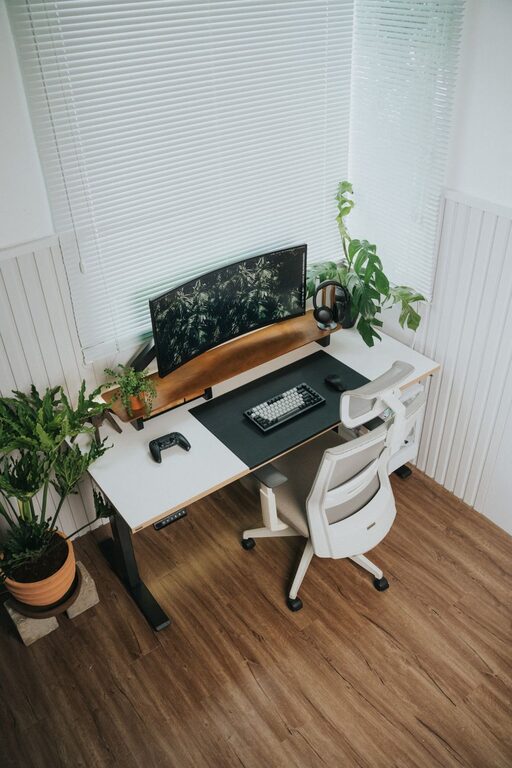
– Monitor placement: Position your computer screen at eye level, about an arm’s length away, to reduce neck strain.
– Keyboard and mouse: Use external devices and keep them at a comfortable height.
Adjust your furniture to fit your body dimensions rather than adjusting your posture to your furniture.
Minimize Clutter and Organize Supplies
A tidy workspace reduces distractions and saves time:
– Use drawers, shelves, or filing cabinets to keep documents organized.
– Store supplies like pens, notebooks, and chargers in designated containers.
– Routinely declutter your desk to avoid buildup of unnecessary items.
– Employ cable organizers to manage electronic cords neatly.
An organized environment helps clear your mind and allows for smoother workflow.
Optimize Lighting
Proper lighting reduces eye strain and maintains energy levels:
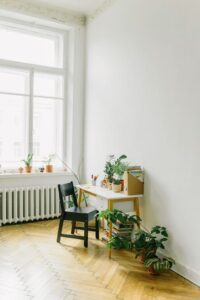
– Position your desk near a window during the day for natural light.
– Use a desk lamp with adjustable brightness to light your work area.
– Avoid glare on screens by adjusting monitor placement and controlling window light with blinds or curtains.
– Choose bulbs that mimic daylight color temperature for balanced illumination.
Good lighting creates a welcoming environment conducive to focus and alertness.
Establish Productivity Zones and Boundaries
If space allows, divide your home office into zones based on tasks:
– Work zone: Main desk area for computer and focused tasks.
– Creative zone: Space for brainstorming, drawing, or planning.
– Storage zone: Area for filing and keeping office supplies.
Set clear boundaries by informing family members or housemates about your work schedule and designated workspace. This minimizes interruptions and helps separate work from leisure time.
Use Technology Wisely
Leverage tools and devices to support your productivity:
– Use noise-cancelling headphones to block distractions.
– Employ apps for time management, task tracking, and communication.
– Set up a reliable internet connection for smooth virtual meetings.
– Keep chargers and backup batteries handy to avoid downtime.
Regularly update software and firmware to maintain security and efficiency.
Personalize Your Space
Adding personal touches can boost motivation and comfort:
– Display inspiring artwork or quotes.
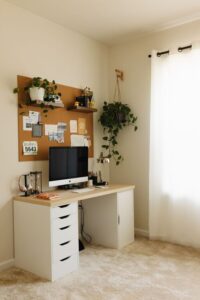
– Incorporate plants to improve air quality and create a calming atmosphere.
– Choose colors you find soothing or energizing.
– Use comfortable rugs or cushions if your floor is hard.
Personalizing your workspace helps make it a pleasant place you want to spend time in.
Maintain a Routine and Take Breaks
Even the best setup needs good habits:
– Define regular work hours to promote balance.
– Use a timer or app to remind you to take short breaks every hour.
– Stand up, stretch, or walk briefly to reduce physical tension.
– Keep water and healthy snacks accessible to stay hydrated and energized.
Consistency combined with a well-designed space enhances focus and productivity over time.
Final Thoughts
Creating a productive home office environment requires thoughtful planning, organization, and personalization. By choosing the right location, investing in ergonomic furniture, minimizing clutter, optimizing lighting, and establishing boundaries, you can build a workspace that supports your daily tasks and long-term goals. Remember to incorporate technology smartly and maintain routines that promote physical and mental well-being. With these tips, you’ll be well on your way to a productive and enjoyable home office experience.