Simple Ways to Create a Relaxing Home Environment for Better Well-Being

Creating a relaxing home environment is essential for maintaining good well-being. After a long day, having a calm and comfortable space to return to can help reduce stress, improve sleep, and enhance your overall mood. Fortunately, you don’t need a major renovation or expensive decor to make your home a peaceful retreat. Small, intentional changes can make a significant difference. Here are simple ways to create a relaxing home environment that supports your well-being.
1. Declutter and Organize Your Space
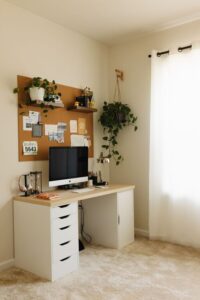
A clutter-free home promotes a clear mind. When your living space is tidy and organized, it reduces feelings of stress and chaos.
– Start small: Focus on one room or even one area like a countertop or a shelf.
– Sort items: Keep what you need and love; donate or discard the rest.
– Use storage solutions: Baskets, bins, and shelves can help keep things orderly.
– Maintain regularly: Spend a few minutes daily putting things back in place.
2. Choose Calming Colors
Colors impact our emotions and mood. Choose shades that encourage relaxation and comfort.
– Soft neutrals: Beige, soft gray, and white create a soothing backdrop.
– Cool tones: Light blues and greens are known for their calming effects.
– Avoid bright, harsh colors: These can be overstimulating and counterproductive.
Consider painting an accent wall or adding decor items like pillows and curtains in calming hues.
3. Maximize Natural Light
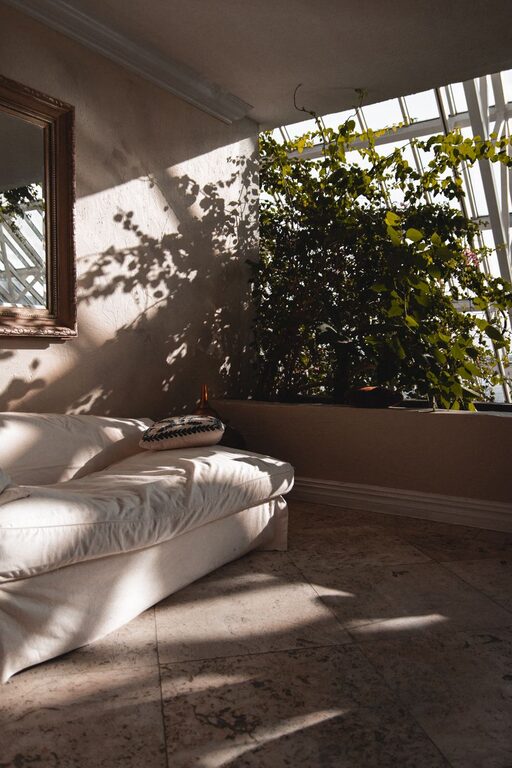
Natural light helps regulate your body’s internal clock and boosts mood.
– Open curtains and blinds: Let sunlight flood your rooms during the day.
– Use sheer curtains: They allow light in while maintaining privacy.
– Position mirrors: Reflecting natural light with mirrors brightens your space.
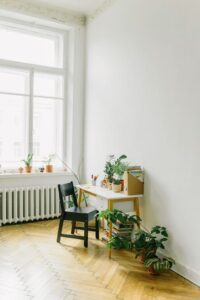
– Set up a reading nook: Place a cozy chair near a window to create a sunlight-filled spot.
4. Incorporate Nature Elements
Bringing nature indoors can elevate mood and reduce stress.
– Indoor plants: Choose easy-care varieties like snake plants, pothos, or succulents.
– Natural materials: Use wood, stone, or woven fibers in furniture and decor.
– Fresh flowers: A simple bouquet brightens your room and adds a fresh scent.
– Nature sounds: Consider gentle water fountains or playlists with bird songs.
5. Create Comfortable Spaces
Comfort is key when trying to relax at home.
– Soft textiles: Add throw blankets, plush pillows, and cozy rugs.
– Comfortable seating: Invest in chairs or sofas that support good posture.
– Adjustable lighting: Use lamps or dimmable lights to set a soothing ambiance.
– Temperature control: Keep your home at a comfortable temperature for relaxation.
6. Limit Noise Distractions
Noise can disrupt calm and focus.
– Close windows during noisy times.
– Use white noise machines or fans: These can mask unpleasant sounds.
– Soundproof rooms: Add thick curtains, rugs, or wall hangings to absorb sound.
– Set quiet hours: Communicate with family or housemates about quiet times.
7. Establish Relaxation Zones
Designate areas specifically for unwinding and self-care.
– Reading corner: A comfortable chair with good lighting and a small bookshelf.
– Meditation or yoga space: A clear area with a mat and minimal distractions.
– Bath haven: Add candles, bath salts, or plants to your bathroom for a spa-like feel.
– Screen-free zones: Create spaces free of TVs or devices to encourage relaxation.
8. Use Aromatherapy
Pleasant scents can reduce stress and promote relaxation.
– Essential oil diffusers: Lavender, chamomile, and sandalwood are popular relaxing scents.
– Candles: Choose unscented or naturally scented candles.
– Fresh herbs: Keep pots of rosemary, mint, or basil in your kitchen or living room.
9. Practice Mindful Decor
Choose decor items that promote peace and positivity.
– Personal touches: Photos or artwork that bring joy and calmness.
– Minimalism: Avoid overcrowding surfaces with too many decorations.
– Inspirational quotes: Place framed quotes that inspire calm or gratitude.
– Balanced arrangement: Symmetry and balance in decor can create a sense of order.
10. Maintain a Routine
Keeping your home environment clean and peaceful requires ongoing effort.
– Daily tidying: Spend a few minutes each day putting things in order.
– Weekly cleaning: Regular deep cleaning refreshes your space.
– Check your surroundings: Regularly assess your environment and make changes as needed to maintain comfort and relaxation.
—
Creating a relaxing home environment doesn’t have to be complicated or expensive. By incorporating a few simple ideas, you can transform your living space into a peaceful haven that supports your well-being every day. Remember, your home should be a place where you feel safe, calm, and comfortable. Start with one or two changes, and gradually build a space that truly nurtures your mind and body.